-
Új/New
Visionary art and the limits of social constructivism
This paper proposed and applied a post-constructivist methodology comprising three levels: spatial dynamics, mediated interface, and manifest presence. By focusing on the topology of presence (instead of the search for meaning) – analysing recursive fractals, non-orientable surfaces, and vectorial agency – this framework provides a vocabulary for articulating the unique visual characteristics of visionary art. It acknowledges the layered ontology of this emerging genre: these images are cultural products embedded within specific technologies and social milieus, while simultaneously pointing toward realities that participants describe as beyond the human. The spatial logic is the clearest indicator of the agency of the non-human element. This framework refrains from reducing visionary art to metaphor or representation alone, recognising that such images may operate as inscriptions of otherworldly experiences and forces. They foreground spatiality as a key site of epistemic investigation, offering a methodological pathway that resists anthropocentric reduction while maintaining analytical rigour.
Between Science Communication and Political Mobilisation
By treating tactical media art formats as a mere “toolkit” to be copied without conceptual grounding, the activists created hollow symbols. Similarly to how the ‘sad polar bear’ simplifies and depoliticises the issue of climate change (Doyle 2011), the “cutified” frankencorn and the rest of the symbols were visually engaging but lacked the deep, critical resonance that could have protected them from political appropriation. Because the symbols were not anchored in a coherent artistic or philosophical vision, they were easily detached from the green movement by their opponents. This demonstrates that when political actors misuse artistic formats, they risk creating politically unstable messages that can ultimately undermine their own goals.
My findings could be relevant not only to science communicators but to policymakers and legislators also. Unlike artists, political movements stake claims for power, and yet through such media as described they can relegate their activity outside the domain of politics, whilst still having a political impact, however botched in my case.
-
Portfólió
válogatott munkák/selected works
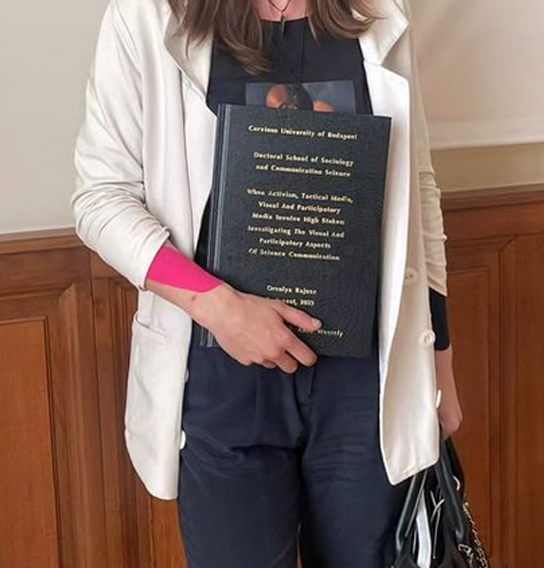
PHD 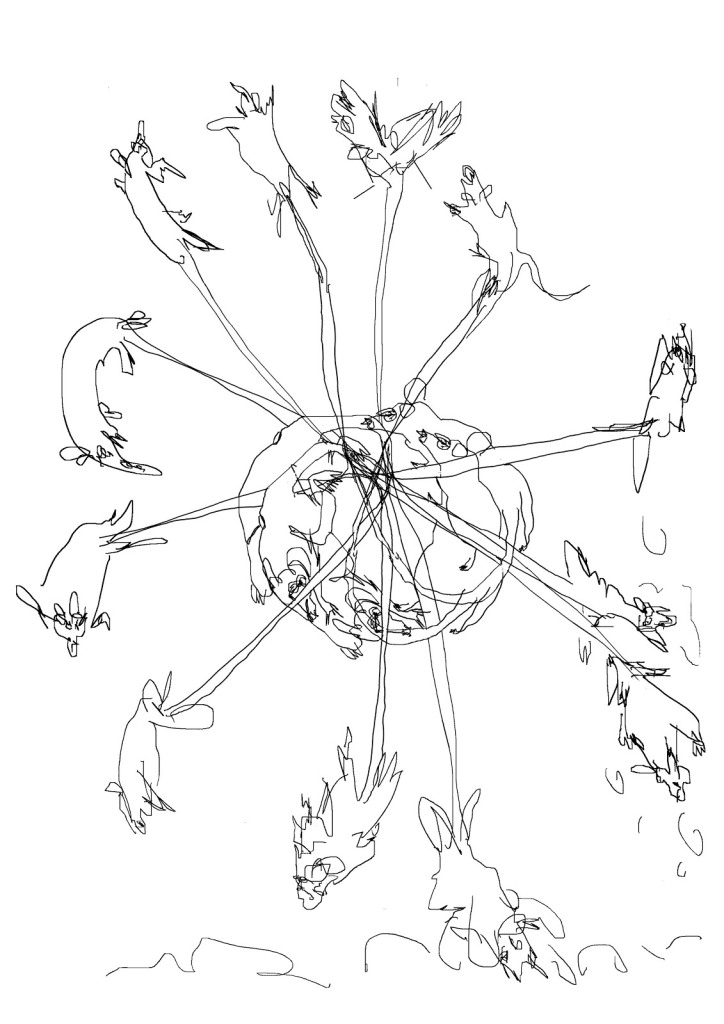
A patkánykirály 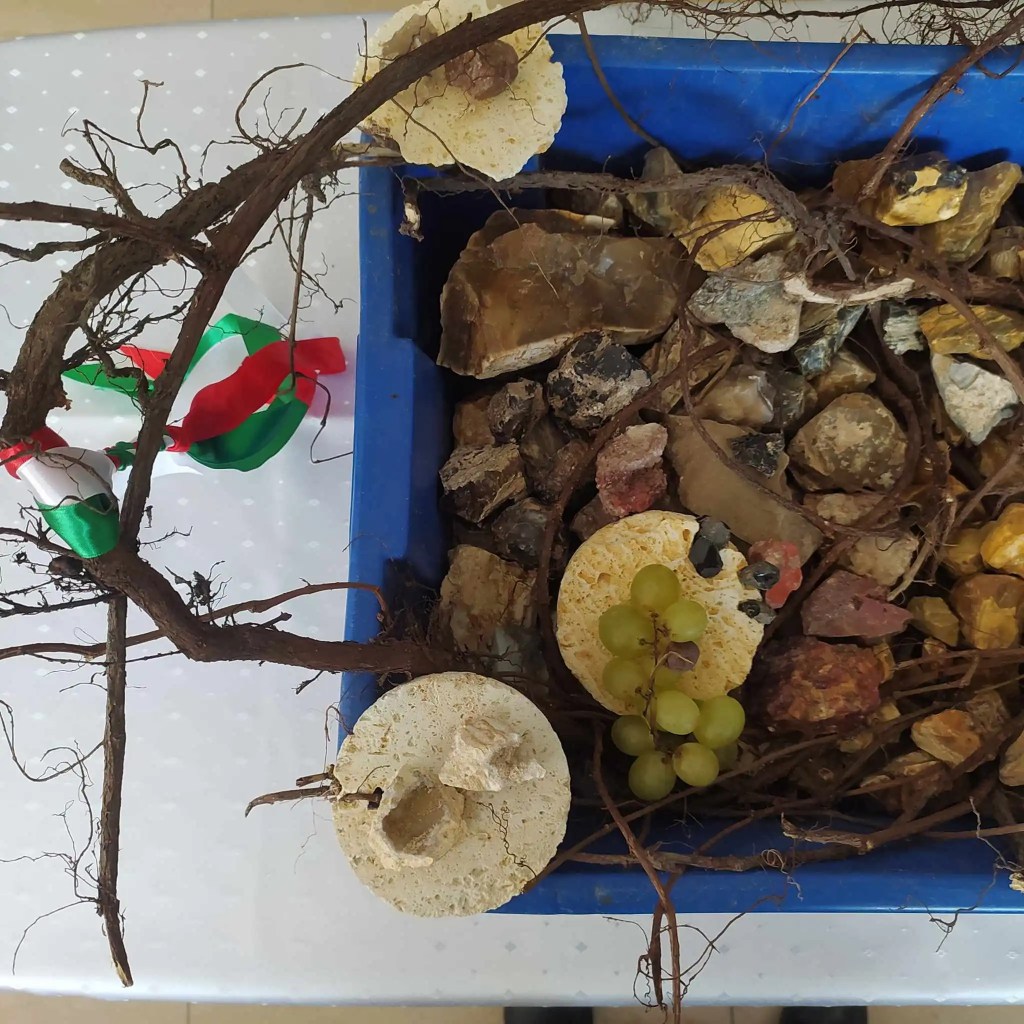
A csodálatos Zemplén kőzetei/the most wonderful minerals 
tudományos publikációk/peer-reviewed publications 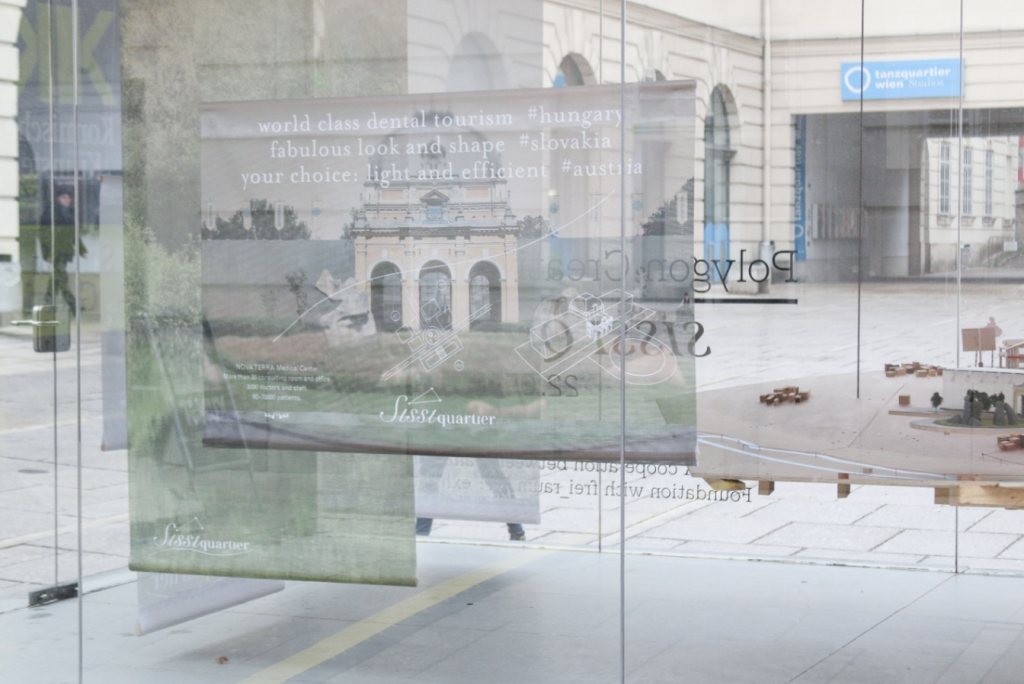
művészeti projektek/tactical media projects 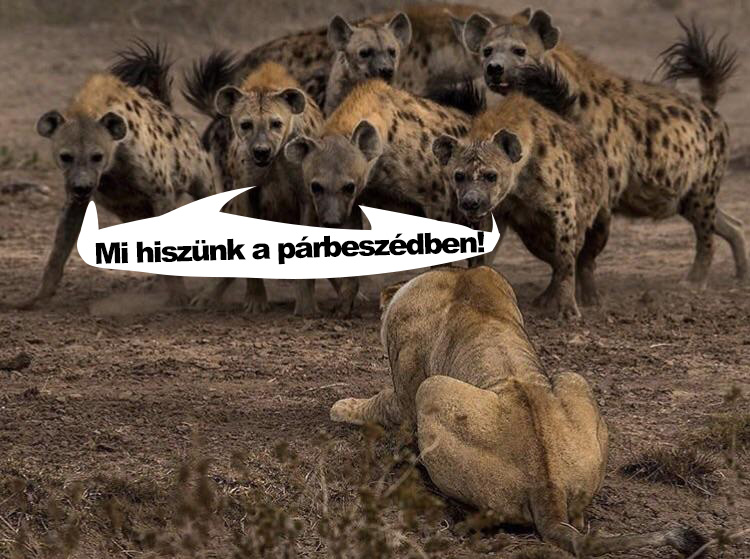
elemzések a kultúrharc frontvonalából/my time in the frontline of the culture wars 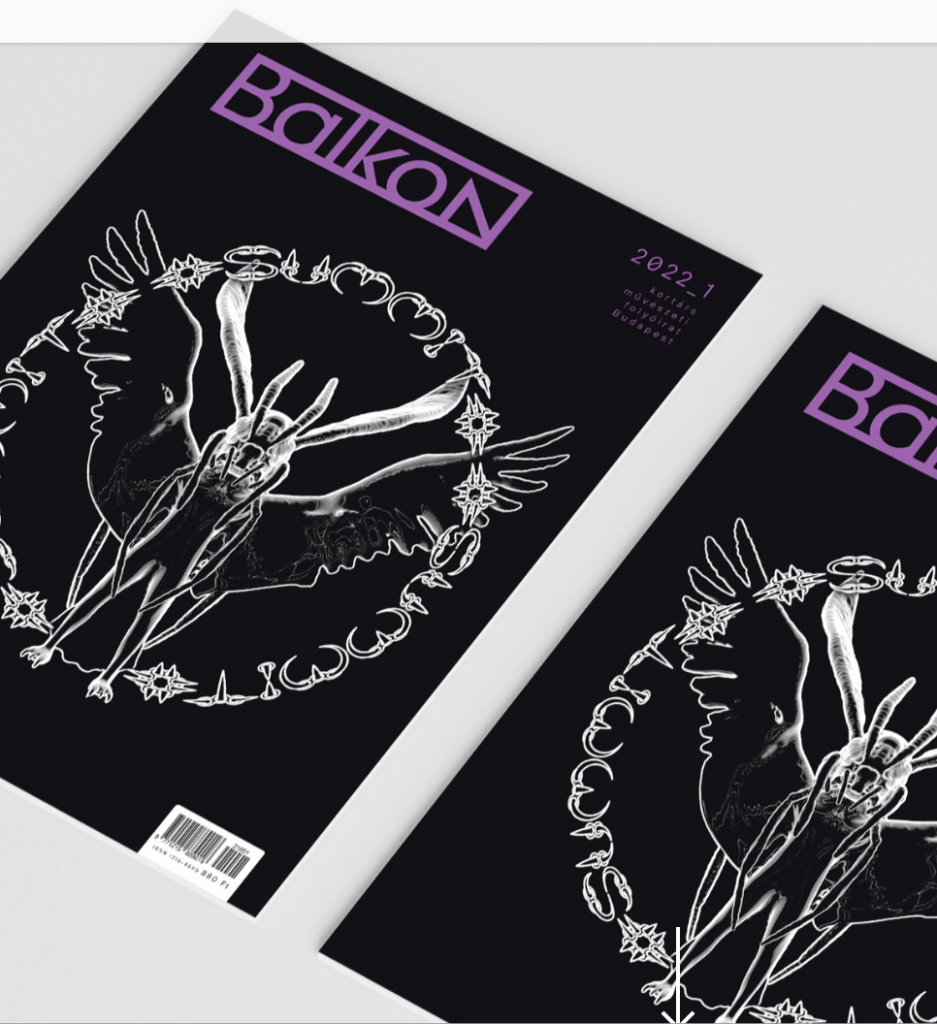
Műkritikák, elemzések/art crit, reviews 
performatív tudásközvetítés/performative cultural sociology 
EPUB könyv Bajusz Orsolya a kortárs művészet határterüleit próbálja megérteni és alkalmazni. Médiatudományt, vizuális kommunikációt, képzőművészetet, filozófiát, szociológiát tanult. Azt keresvén hol van értelme és tétje művészettel, poszthumán médiaelméletekkel foglalkozni éveket töltött a londoni kreatív iparban, aztán a magyar politika hátországának számító álcivil közegben. Rendszeresen publikál műkritikát, volt vendégkutató a Louisiana State University-n, és részt vett kutatási szoftver fejlesztésében a Birkbeck College-ben. A BCE Corvinuson volt óraadó, most a MOME-n van egy kurzusa (vizuális kutatásmódszertan, és művészeti kutatás), illetve tervezés kurzusokon, konzultációkon vesz részt. A Tokaj-Hegyalja Egyetemen adjunktus, művészettel és vizuális kommunikációval kapcsolatos tárgyakat oktat. Phd-je a tudománykommunikáció és a kortárs művészet határterületeivel foglalkozik, az első könyve (Patkánykirály, teória-fikció) 2024-ben jelenik meg. Munkái különféle konstellációkban (beleértve fantázianeveket) szerepeltek a Bécsi Museumsquartierben, a pozsonyi Kunsthalle-ben, Calafou-ban, különféle Európai galériákban és fesztiválokon, a nemzetközi szociológiai társaság éves fórumán, a South by Southwest fesztiválon, angol és magyar nyelvű sajtóban és tudományos folyóiratokban, és jogi tanulmányokat inspiráltak. Jelenleg a vizionárius művészetre dolgoz ki elemzési keretet, és egy tanösvényt tervez, amely geológiai energiákat mutat be.
Orsolya Bajusz works at the boundaries of contemporary art. She studied media studies, visual communication, contemporary art, philosophy and sociology. Searching where artistic praxis and posthuman media theory has relevance, she spent years in the London creative and cultural industries, and then in the NGO-backwater of Hungarian politics. She regularly publishes art criticism, was a visiting scholar at Louisiana State University, and has been involved in the development of research software at Birkbeck College. She was a lecturer at BCE Corvinus and now teaches a course at Moholy-Nagy University of Budapest (Visual Research Methodology and Artistic Research) as well as participating in the main tutorials and supervision. She is an assistant professor at the teacher training college of Comenius Campus at Sárospatak, where she teaches courses on art and visual culture. Her PhD empirically examines the intersection of science communication and contemporary art, and her first book (Patkánykirály, Theory-Fiction) will be published in 2024. Her work has been shown in various constellations (including under fictional names) at Museumsquartier Vienna, Kunsthalle Bratislava, Calafou, various European galleries and festivals, the annual forum of the International Sociological Association, South-by-Southwest festival, international and Hungarian press amd academic journals, and has inspired legal studies. She is currently engaged with developing an analytical framework for visionary art, and an educational trail about geological energies.
-
Subscribe
Subscribed
Have a WordPress.com account? Log in now.

